🎶 Handpan Anatomy: Structure, Physics, and Mindful Sound

Introduction: The "Flying Saucer" Masterpiece
The Handpan is a marvel of acoustic engineering, instantly recognizable by its symmetrical, saucer-like shape. It consists of two deep-drawn metal shells joined to form a hollow resonating chamber.
At BeatRise, we optimize this geometry to ensure every handpan—whether used in professional recording, meditation, or sound therapy—delivers maximum resonance, harmonic clarity, and intuitive play.
1. The Top Shell: The Heart of Melody
The top shell is the primary playing surface, meticulously tuned to specific scales.
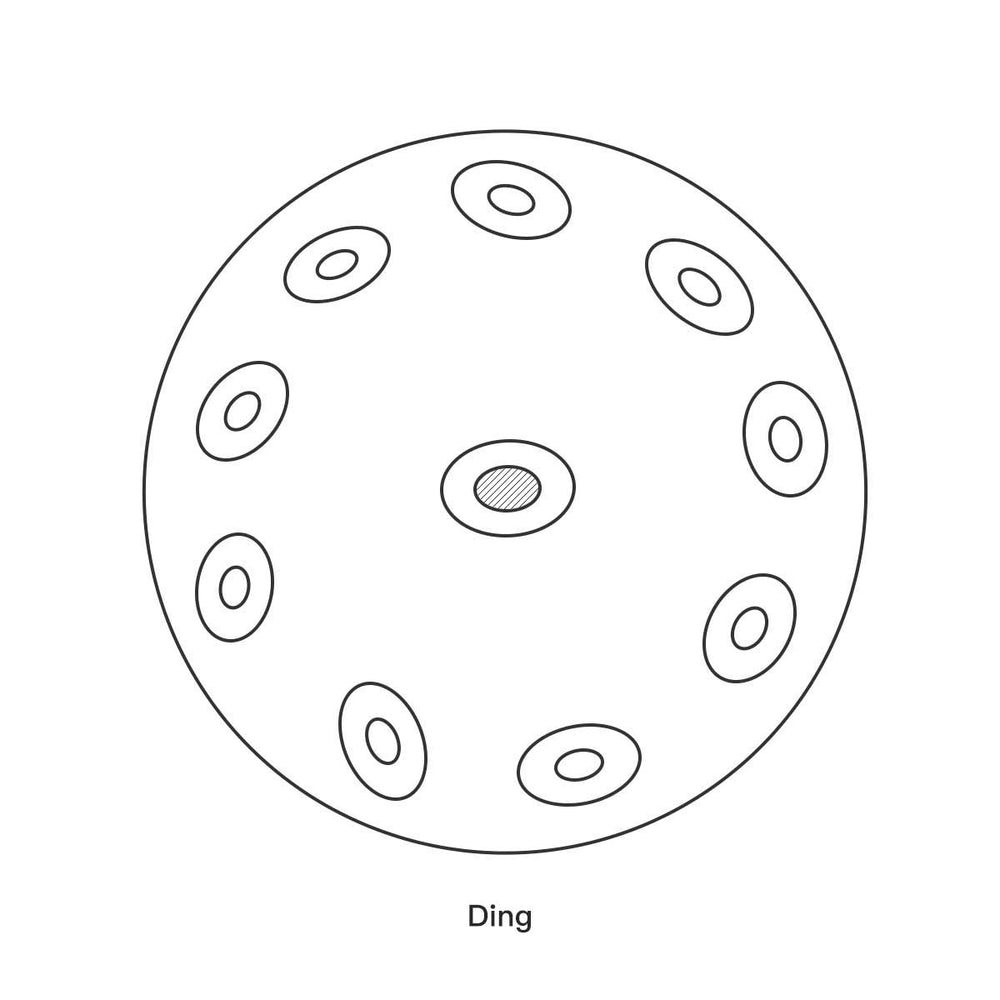
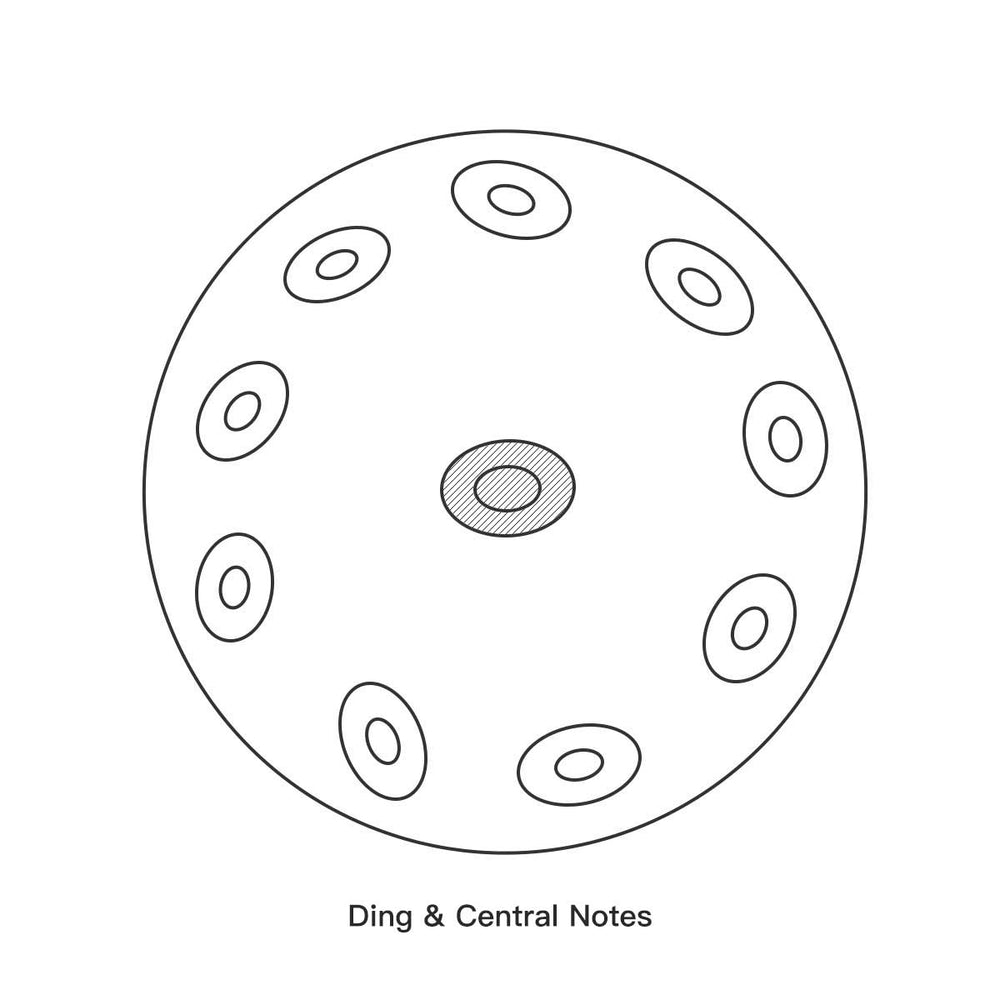
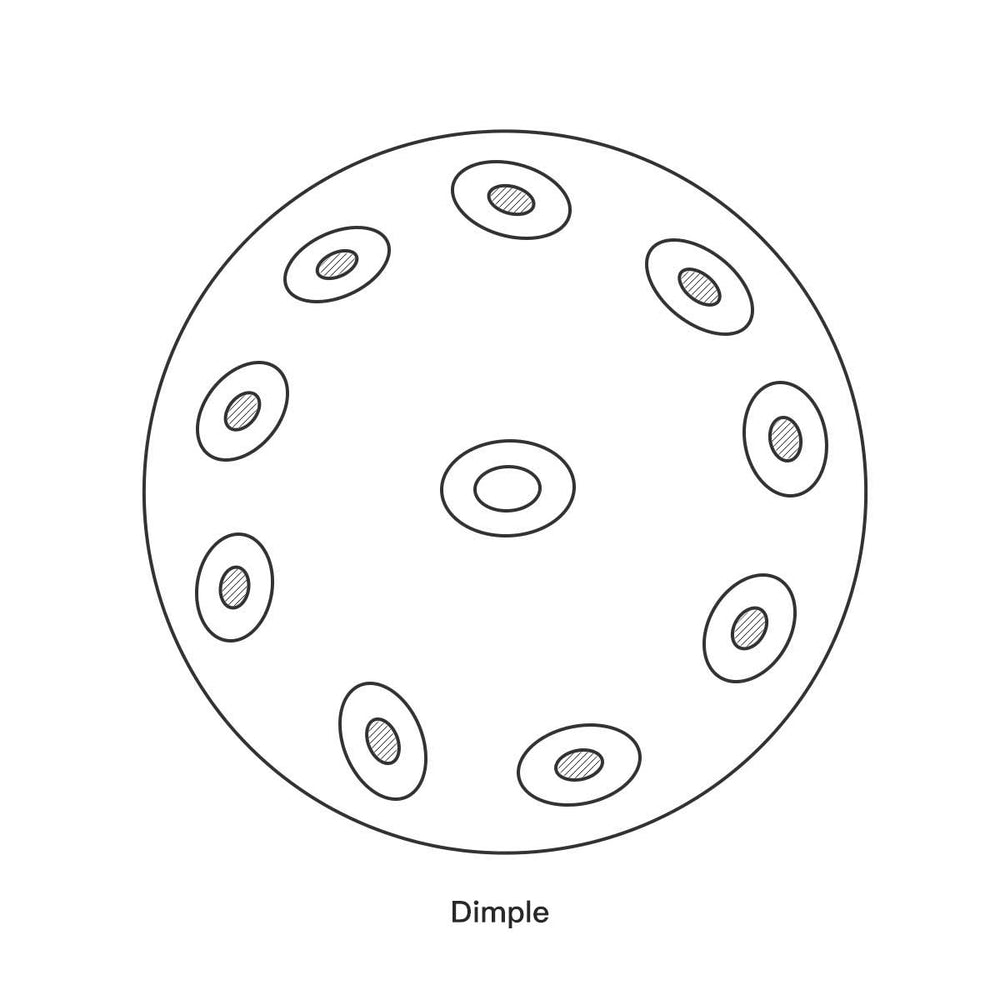
The Ding (Central Anchor)
-
Definition: The convex (raised) central note.
-
Role: Serves as the lowest fundamental note, anchoring the entire scale.
-
BeatRise Craftsmanship: Our Dings are engineered to produce deep, grounding bass, forming the backbone of melodic and meditative experiences.
The Tone Fields (Melody Notes)
-
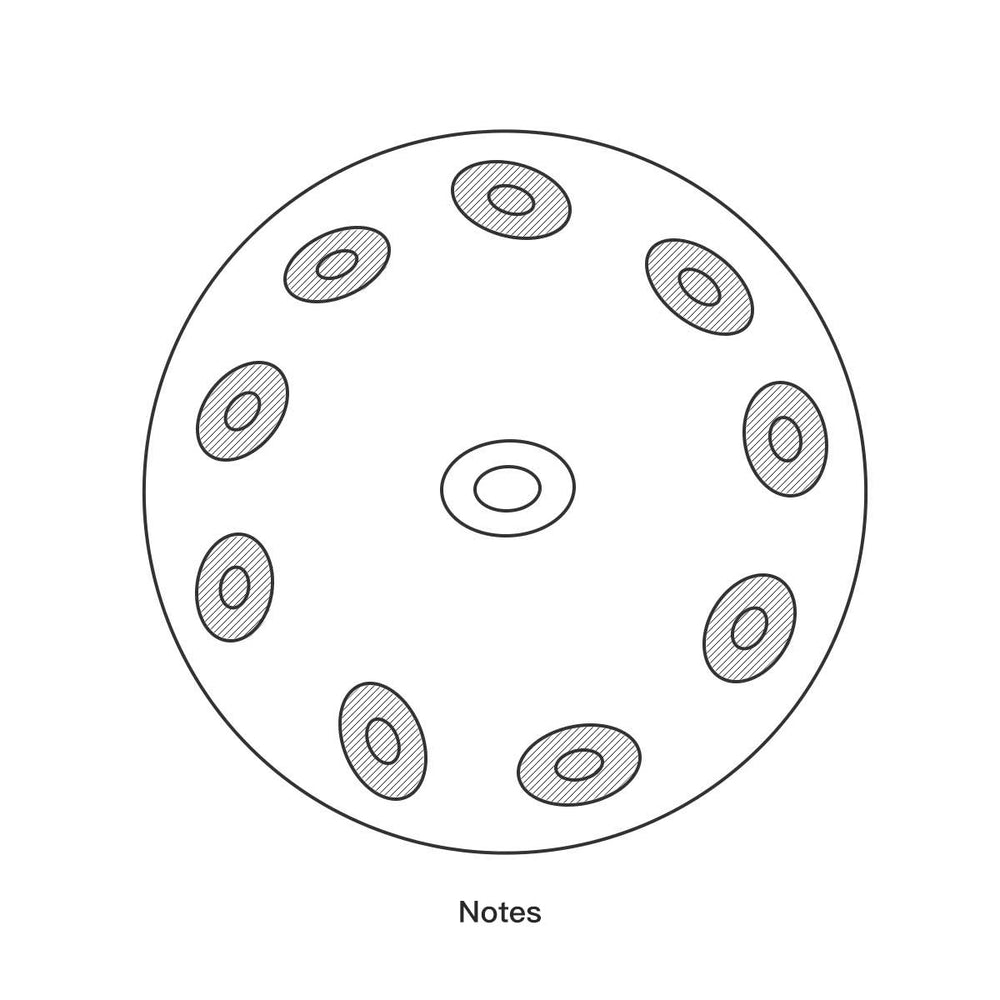
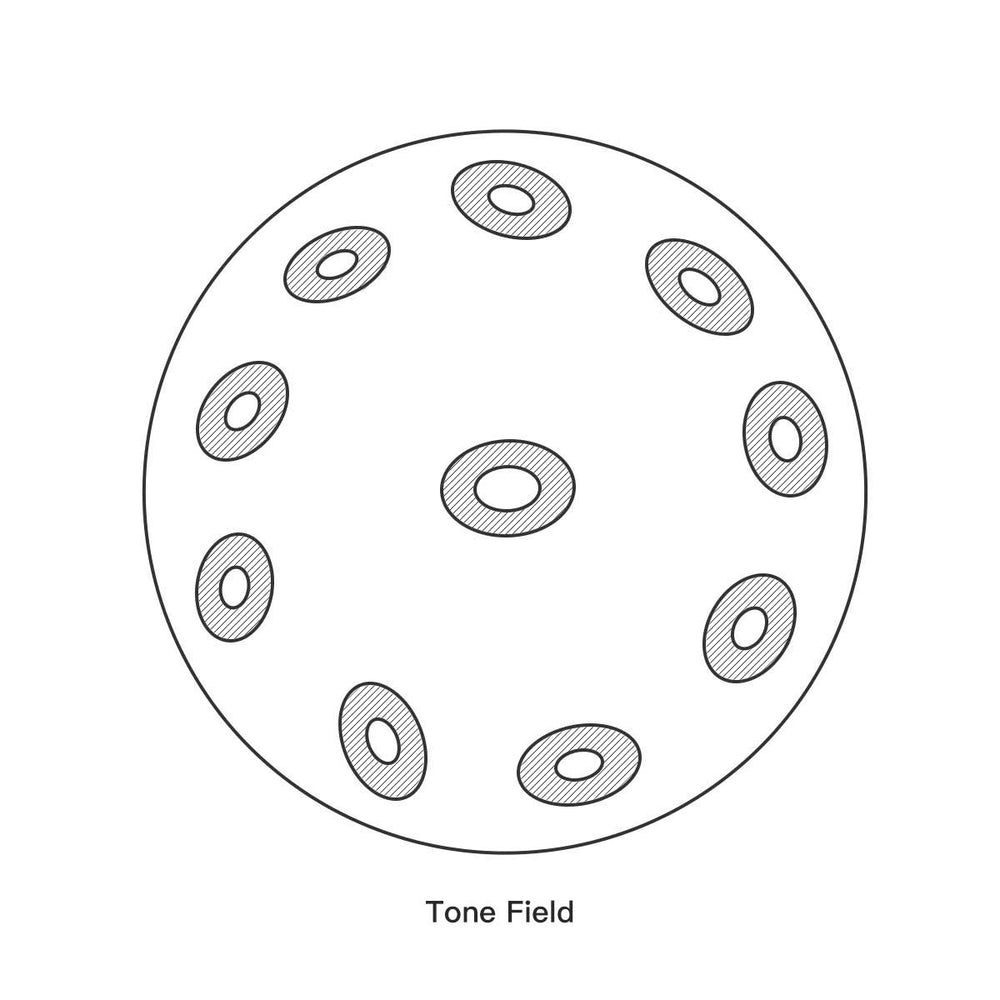
Definition: Concave (dimpled) areas surrounding the Ding.
-
Mechanism: Each field is precision-tuned to a distinct pitch.
-
Pro Tip: Larger surface areas yield lower pitches. BeatRise handpans employ an ergonomic Z-shaped layout, facilitating intuitive transitions for beginners, professional players, and sound therapists.
Scales Available: D Kurd, Amara, Hijaz, Celtic, and more—enabling diverse melodic exploration for meditation, yoga, or performance.
2. The Bottom Shell: The Soul of Resonance
The bottom shell, though not played directly for melody, is essential for volume, sustain, and ethereal timbre.
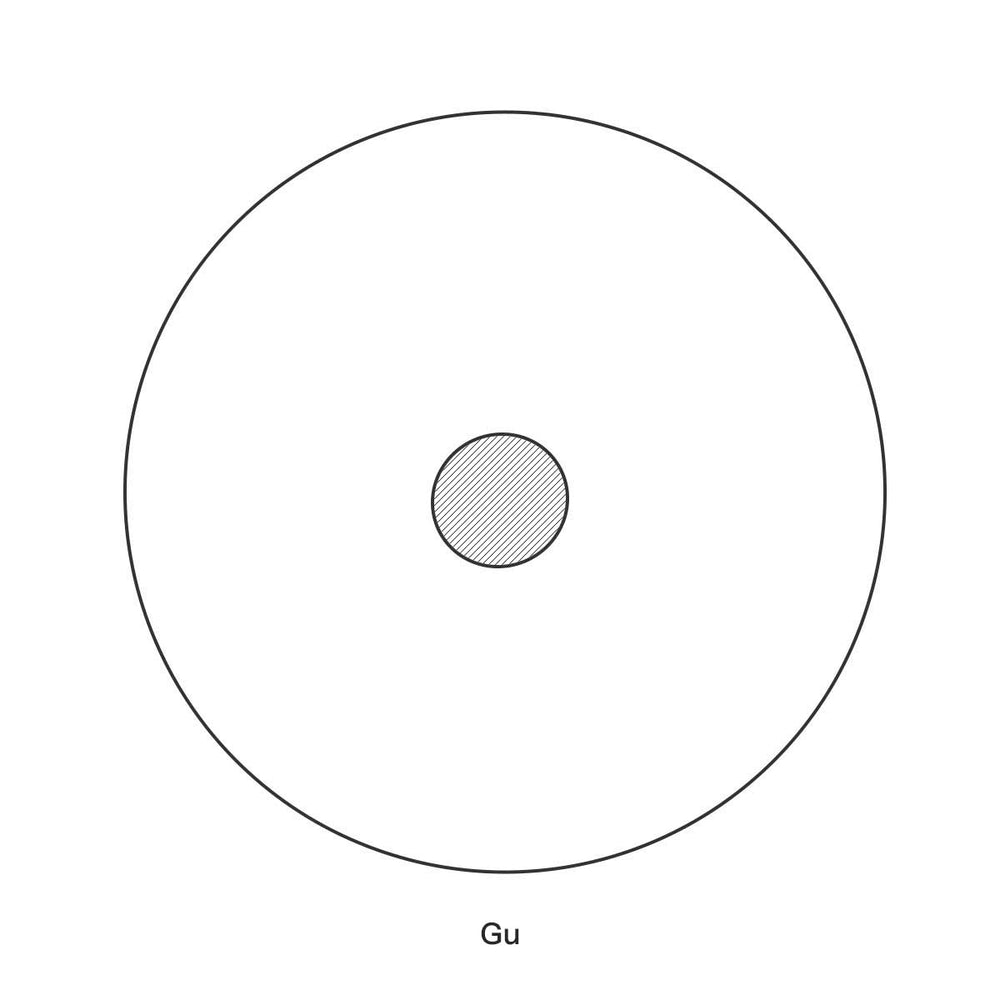
The Gu (Helmholtz Resonator)
-
Definition: The circular hole at the bottom shell.
-
Scientific Principle: Functions as a Helmholtz Resonator, letting air vibrate in sympathy with top notes to enhance sustain and richness.
-
BeatRise Craftsmanship: Calibrated diameter balances internal air volume, ensuring long-lasting resonance and a warm, rich tone.
-
Heritage: Inspired by the Ghatam (Indian clay drum), contributing a subtle percussive bass element.
3. BeatRise Technical Standards: Anatomy Meets Sound Quality
To achieve professional-grade handpan sound, BeatRise integrates anatomical precision with material science:
-
Scale Precision: Each tone field is tuned to include fundamental, octave, and compound fifth, supporting scales like D Kurd, Amara, Hijaz, and Celtic.
-
Material Choice: Stainless Steel or Nitrided Steel preserves the structural integrity of the Ding and Tone Fields while providing durable resonance.
-
Frequency Options: Optimized for 432Hz (Healing/Yoga) and 440Hz (Standard) performance.
-
Beginner-Friendly Ergonomics: Z-shaped tone layout allows intuitive hand placement and fluid melodic transitions.
4. FAQ: Handpan Anatomy Quick Facts
Q: What is the center note on a handpan called?
A: The convex central note is the Ding, serving as the melodic anchor of the scale.
Q: What is the hole at the bottom of a handpan?
A: The Gu acts as a Helmholtz Resonator, amplifying volume and creating the instrument’s unique sustain.
Q: Why do handpans have a Z-shaped note layout?
A: The Z-shape is ergonomic, enabling alternating hand movement and smooth melodic flow.
Q: What scales are available on BeatRise handpans?
A: Popular modes include D Kurd, Amara, Hijaz, and Celtic, supporting meditation, yoga, and professional performance.
🎯 Deepening Your Handpan Journey: Ready for the Next Level?
You now have a solid understanding of the Handpan's anatomy—from the resonant Ding and the melodic Tone Fields to the acoustic role of the Gu. But a Handpan's structure is only half the story.
The instrument’s beautiful voice and lasting quality are profoundly influenced by its materials.
Continue Exploring Our Comprehensive Handpan Guides:
The journey into this captivating instrument continues.
Click below to dive into the technical details that separate a good Handpan from a great one:
Handpan Materials: Nitriding vs. Stainless Steel
Click here to understand the differences between nitrided steel and stainless steel, how the material choice impacts sound, and why it is crucial for maintenance and longevity.
Following that, explore these essential topics:
🛸 Guide to the Handpan: History, Origins, and Evolution
To know the fascinating history behind the Handpan and the Hang, you're ready to explore what makes these instruments truly magical.
Handpan Buying Guide: How to Choose the Perfect Handpan for You
Discover how to choose the perfect handpan with our beginner-friendly guide. Learn about scales, notes, materials, 440Hz vs 432Hz tuning, and tips for meditation, yoga, and relaxation.
Handpan Scales and Modes: Choosing Your Voice
Understand the world of scales—from Minor Kurd to Major—and how these musical modes influence the emotional quality of your music.
The Diverse Uses of the Handpan
Explore how the instrument is used in everything from meditation and sound healing to professional studio recordings and live performance.
Essential Handpan Care and Maintenance
Learn the best practices for cleaning, storage, and routine maintenance to protect your investment and preserve its sound quality for years to come.
Handpan Uses: From Street Performance to Meditation & Sound Therapy | BeatRise Music
Discover the versatile uses of handpans—from solo improvisation and street performances to meditation, sound therapy, and film scores. Explore how this unique instrument connects music, art, and mindfulness.


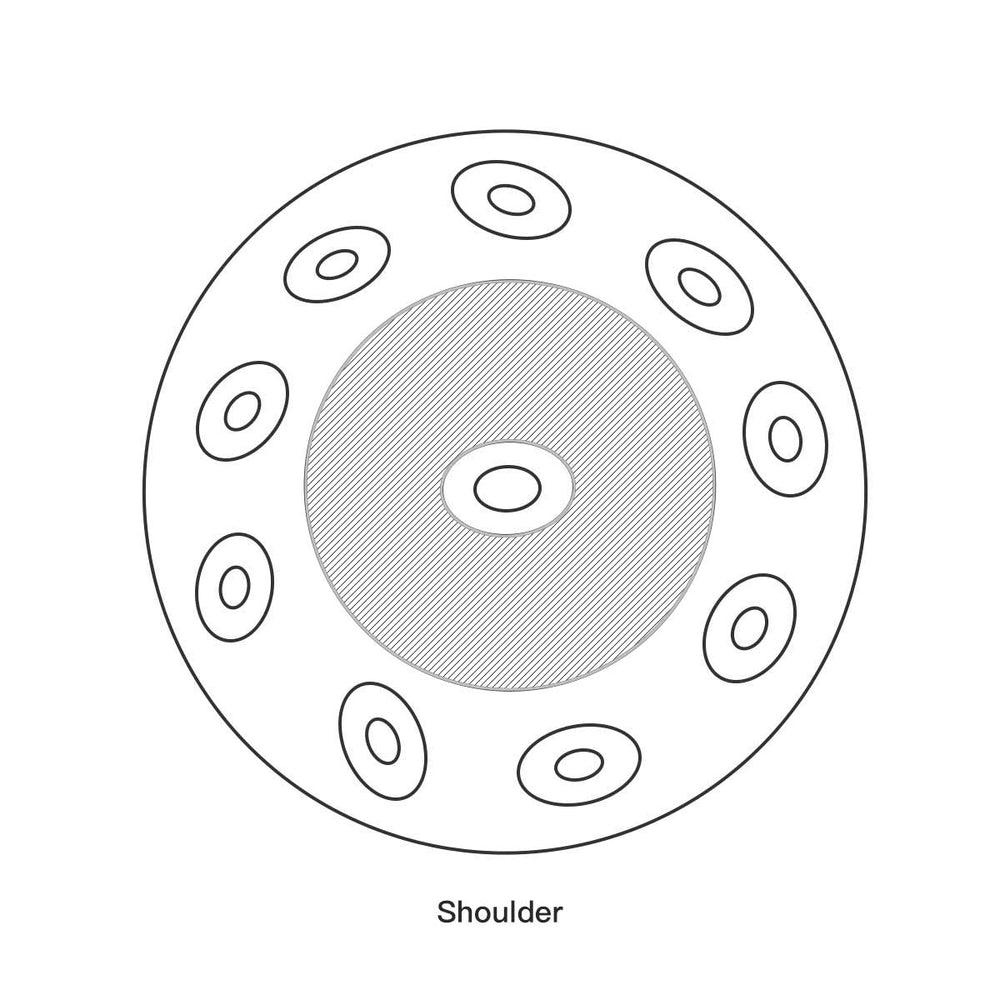
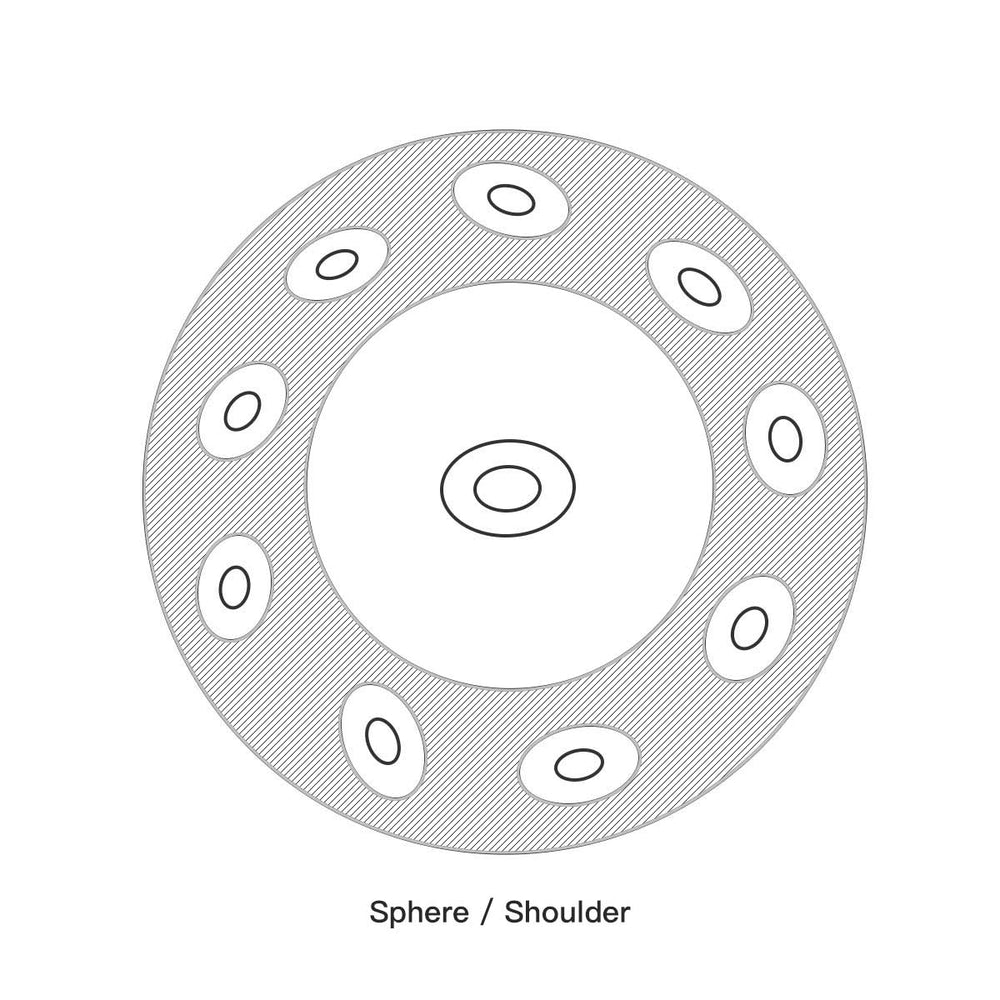
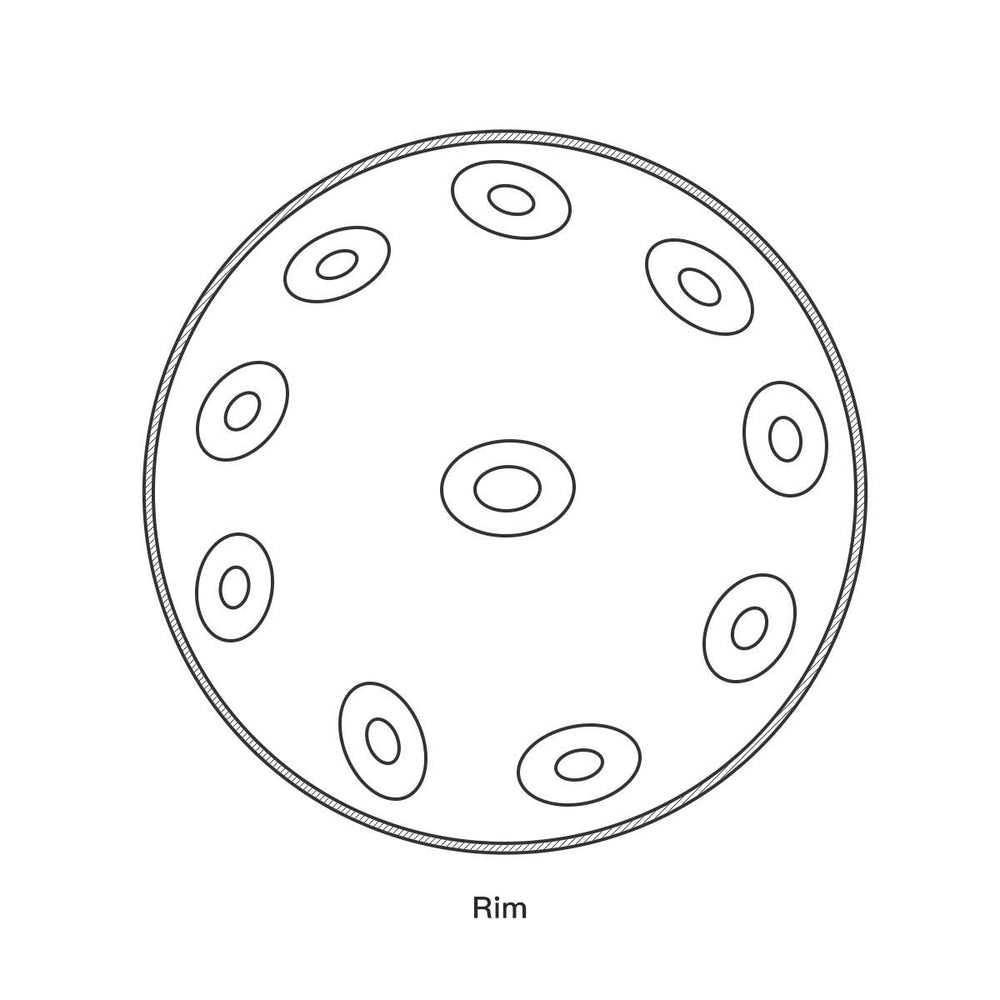
Handpan Anatomy Diagram
Shaded Sections >>